



















-


2026.07.31
HollySys Industrial Optical Bus Control System (OCS) Passes 90-Day Extreme Cold Validation in Mohe, China
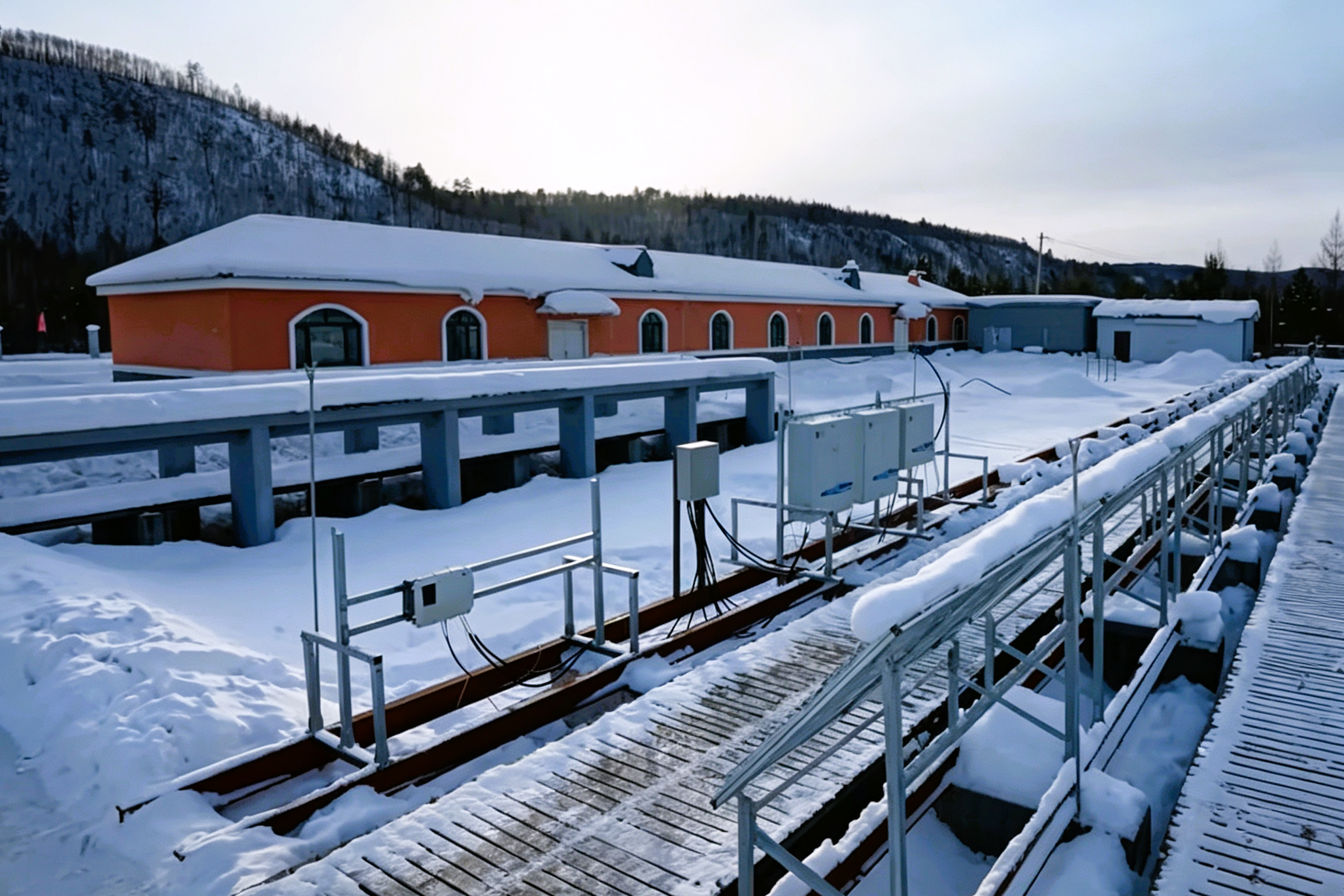
Recently, HollySys OCS passed a 90-day comprehensive validation under extreme cold conditions at the Mohe Test Station. Located in China's northernmost region, the Mohe area experiences historical minimum temperatures of -53°C, with more than 60 days annually below -40°C. Beyond low-temperature stress, the local environment poses multiple concurrent challenges, such as cable hardening, condensation risks due to snow and ice, and electrostatic discharge from dry winds, providing a highly demanding environment for industrial control equipment. Under the supervision of an independent third-party authority, the validation covered the full OCS product portfolio, with more than one million operational data records collected and analyzed to verify the system's reliability and operational performance under extreme cold conditions.
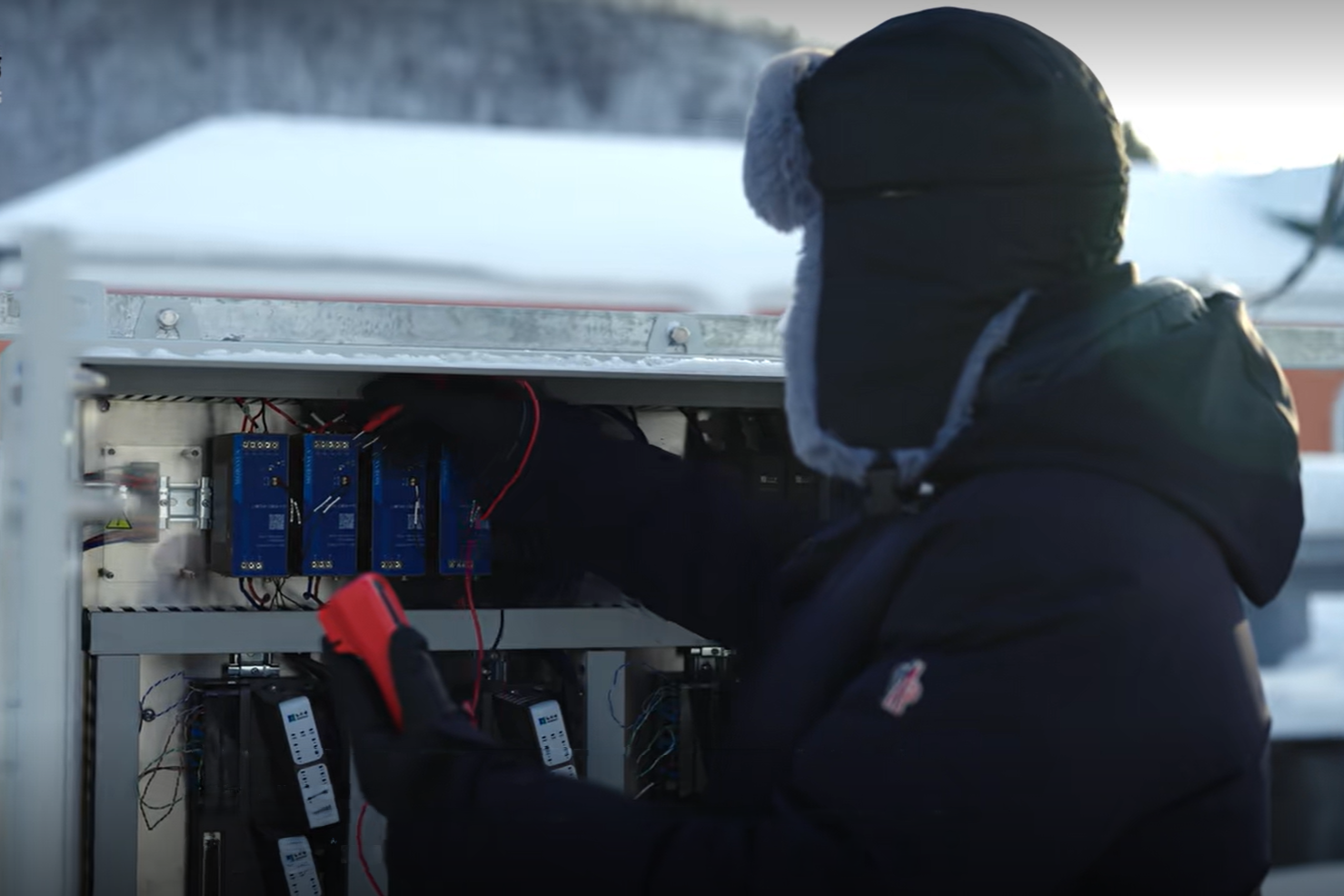
Low-Temperature Startup Test
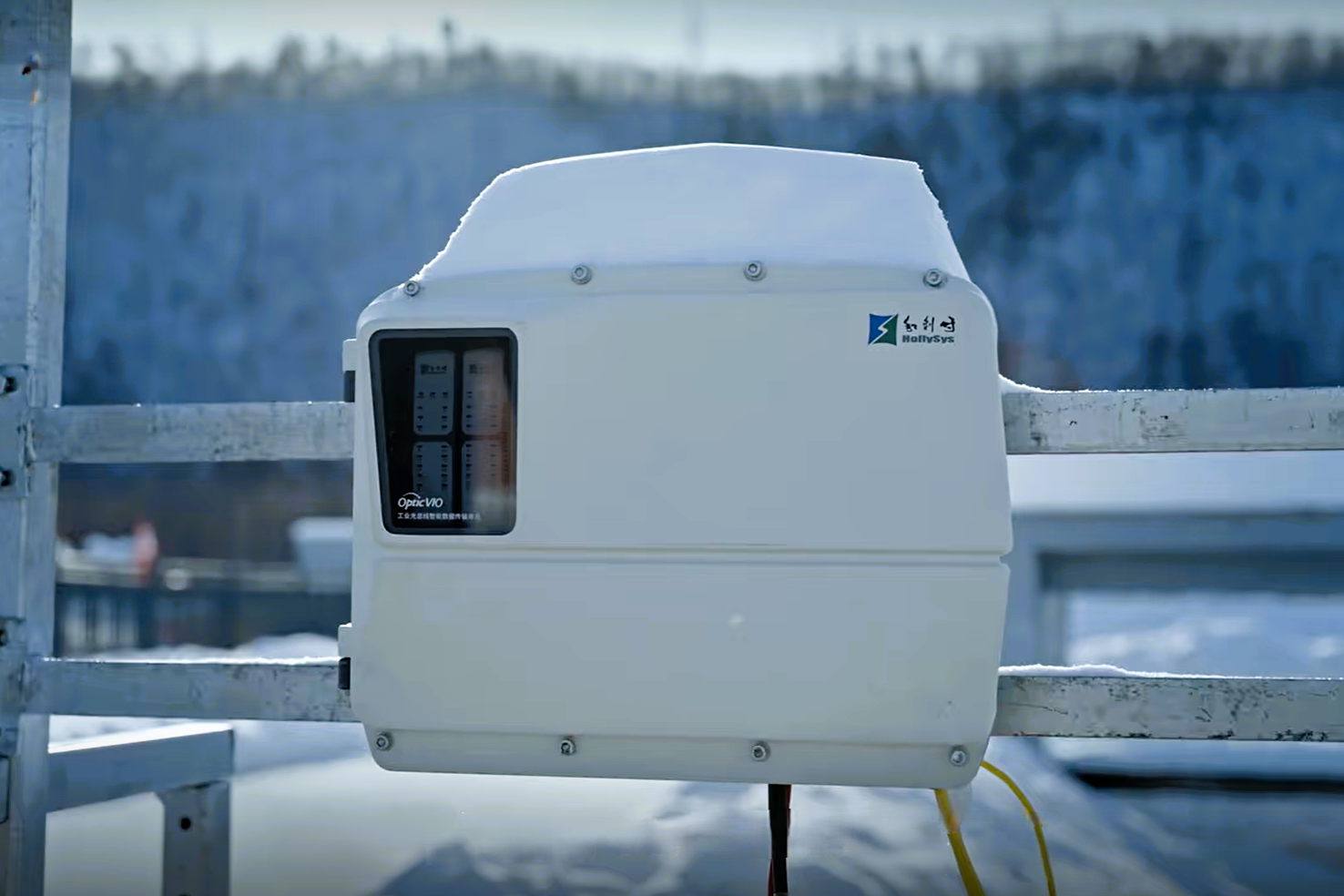
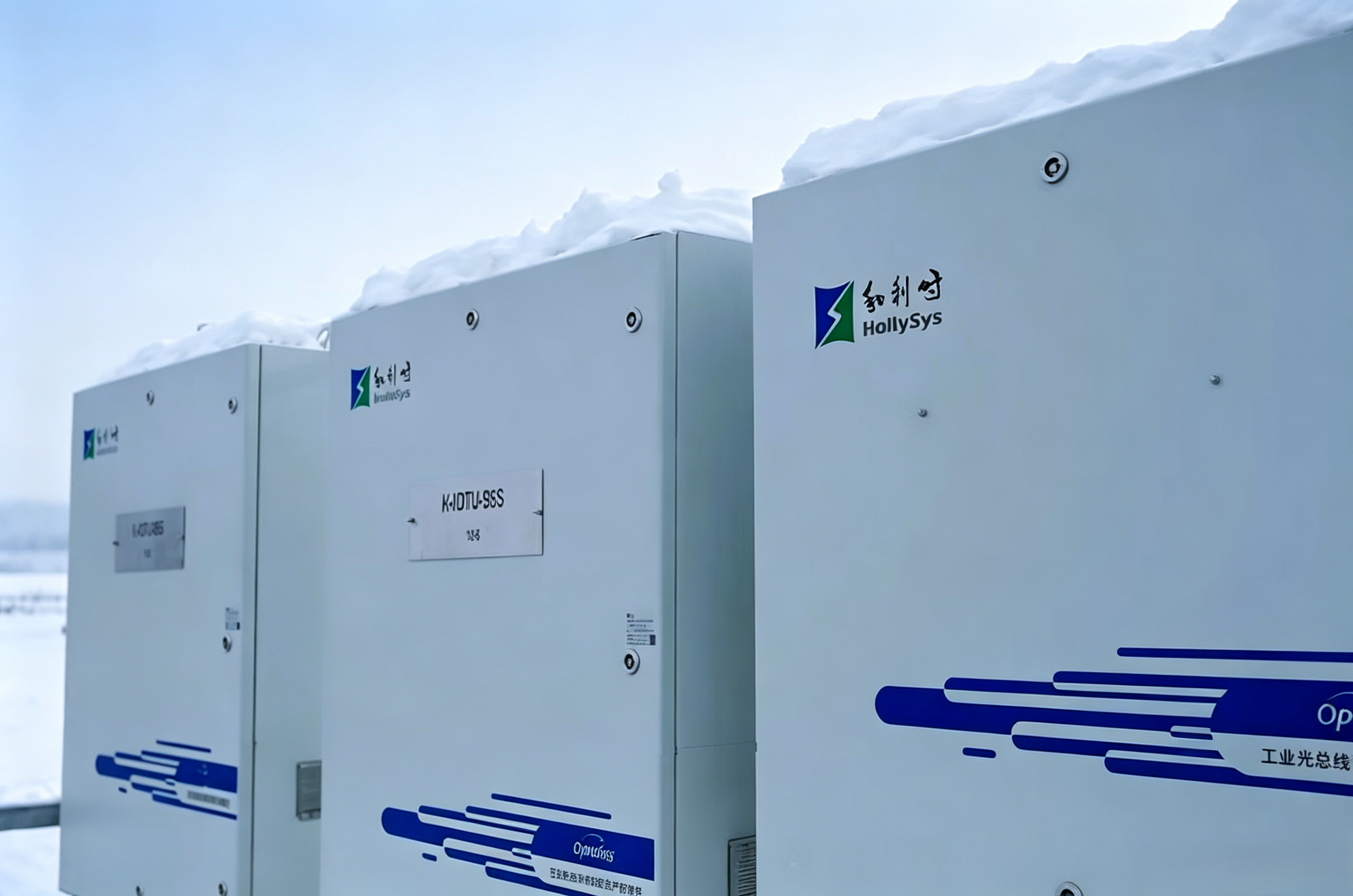
Extreme cold conditions can significantly impact electronic systems, causing component degradation, mechanical contraction, and power supply instability. During the startup test, the system successfully completed power activation, self-diagnostics, and normal operation without interruption, demonstrating reliable startup and continuous operation in temperatures down to -45°C. To achieve the performance, HollySys OCS integrates automotive-grade wide-temperature-range chips across all modules, with key components, including I/O, communication, power, and signal acquisition modules, optimized for low-temperature operation.
Accuracy Test
Maintaining measurement accuracy under extreme cold conditions remains a critical challenge for industrial control systems, as low temperatures can lead to signal drift, transmission attenuation, and component parameter variations. Throughout the 90-day validation period, under temperatures ranging from -20°C to -45°C, the deviation between acquired signals and standard reference values remained consistently within 1‰ across various operating scenarios. This high-precision performance is enabled by wide-temperature-range sampling chips in the acquisition modules, combined with HollySys’ Onet passive optical communication technology, which ensures reliable, lossless signal transmission across a wide temperature range.
Fault Diagnosis Test
Accurate detection and timely identification of abnormal conditions are essential for maintaining safe and continuous operation of industrial facilities, while extreme cold conditions may affect diagnostic response performance and increase the risk of false alarms. During the validation, multiple fault scenarios were simulated, including sensor disconnection, abnormal signals, and communication interruptions. The OCS' integrated temperature and humidity monitoring, together with predictive status diagnosis functions, successfully detected abnormal conditions and triggered real-time alarms, providing reliable support for maintenance decisions and operational management.
Redundancy Switching Test
For critical industrial facilities in the energy, chemical, and infrastructure sectors, uninterrupted control system operation is essential, as even brief disruptions can lead to significant operational risks under extreme conditions. During the test, simulated failures of primary modules were introduced under low-temperature conditions, and the standby modules seamlessly took over without disturbance. Control output signals remained smooth and continuous, demonstrating reliable redundancy performance. This capability is enabled by the OCS' fully redundant fault-tolerant architecture, covering I/O modules, communication modules, power modules, and communication networks to ensure continuous operation in challenging environments.
The successful completion of the Mohe extreme cold validation further confirms the system's capability to support critical industries in extreme climate regions worldwide, from Central Asia to Northern Europe and beyond, where reliable operation is essential under harsh winter conditions.